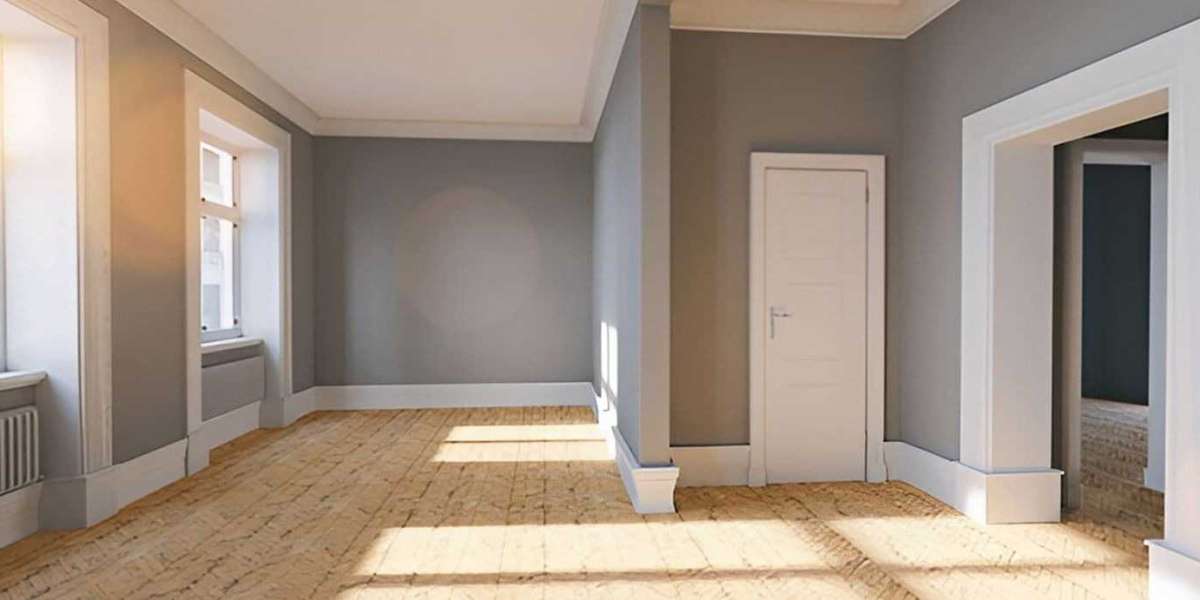

For many property owners, an empty rental unit means lost income and increasing holding costs. When a property is sitting empty vacant longer than expected, it can be frustrating and financially stressful. But prolonged vacancies are usually not random. They are signals that something in your rental strategy, pricing, or presentation needs attention. Understanding the key reasons behind extended vacancies will help you take corrective action, attract tenants faster, and improve your rental income.
In this article we explore the most common causes of long-term vacancies and offer practical solutions to help your property start earning again.
1. Rental Price Is Too High
One of the most common reasons properties remain empty is pricing that does not align with market expectations. Even prime locations are sensitive to rent rates. If your asking price is significantly higher than comparable listings nearby, prospective tenants may quickly dismiss your property.
Renters often compare multiple options before making a decision and are likely to choose properties that offer the best value for money. Overpricing leads to fewer inquiries which in turn keeps your unit vacant for longer.
Solution: Conduct a rental market analysis. Compare similar properties in your area by size, condition, amenities, and location. Adjust your rent to match current trends while leaving room for negotiation. A slight reduction could be the factor that draws in multiple interested tenants.
2. Poor Property Presentation
First impressions matter. Listings with low quality photos, minimal descriptions, or cluttered interiors are less likely to attract interest. Potential tenants scroll quickly and will pass over a listing that does not immediately appeal.
Investing in professional photography, staging, and well‑written descriptions can significantly increase engagement. Clear visuals that showcase key features such as natural light, spacious layouts, and upgrades make a property memorable.
Solution: Capture high quality images of each room, exterior spaces, and unique amenities. Stage the space so it looks inviting and clean. Write a detailed description highlighting features and benefits. Showcase nearby attractions or conveniences like transport links, shops or schools.
3. Inconvenient Viewing Experience
If scheduling a viewing is difficult or the showing itself is unwelcoming, interest can quickly fade. Tenants expect flexibility and smooth communication. Properties that are hard to access or shown only at limited times lose appeal.
Solution: Offer multiple viewing options. Allow flexible time slots, virtual tours, and video walkthroughs. Respond promptly to inquiries and accommodate tenant schedules where possible. A seamless viewing experience increases the likelihood of converting interest into applications.
4. Property Condition or Maintenance Issues
Units that appear neglected or in need of repair are less attractive to tenants, even if they are priced competitively. Issues such as peeling paint, outdated kitchens, broken fixtures, or malfunctioning appliances create a perception of high ongoing maintenance.
Tenants often prioritize move‑in ready properties where they feel comfortable and secure. A property that feels neglected can remain empty for a long period because tenants do not want hassles.
Solution: Conduct a maintenance review and fix issues before listing. Fresh paint, updated fixtures, and a deep clean can make a huge difference. Investing in minor upgrades such as modern lighting, new handles, or refreshed flooring can elevate the property’s appeal.
5. Unattractive Listing or Poor Marketing
Even when a property is priced right and well presented, poor marketing practices can lead to extended vacancies. Failing to list on major platforms, using vague descriptions, or neglecting targeted promotion limits exposure.
Your property needs to be seen by the right audience. Without strong marketing, it simply does not get enough visibility to attract quality tenants quickly.
Solution: List your property on multiple popular rental websites and social media platforms. Optimize your title and description with key features tenants are searching for. Include location highlights, unique selling points, and clear contact information. Consider boosting your listing with paid advertising or working with a property professional to expand reach.
6. Outdated Lease Terms
Sometimes properties sit vacant because lease terms are too restrictive or unattractive. Long lease commitments, high security deposits, or inflexible move-in dates can discourage tenants who need flexible arrangements.
Many renters today prefer shorter lease terms or agreements that provide options for renewal, subletting, or payment plans. Rigid lease structures can push potential tenants toward more flexible offerings.
Solution: Review your lease terms. Consider offering options such as shorter lease periods, month to month terms after an initial period, or adjustable deposit terms. Clear and fair lease agreements attract more applicants and reduce vacancy times.
7. Seasonal and Market Trends
Certain times of year naturally see slower rental activity. Moving seasons vary by region, and some months attract more tenant interest than others. Market conditions also change based on economic factors, employment trends, and population movements.
If you list your property during an off-peak period without adjusting strategy, it may stay empty longer than expected.
Solution: Understand local rental cycles and plan your listings accordingly. If you must list during a slower period, increase marketing efforts, consider temporary incentives such as a rent discount or a waived fee, and increase your visibility to stand out from competition.
8. Neighborhood Perception
The desirability of a location directly affects how quickly a property is rented. Even great properties can remain empty in areas with negative perceptions, limited amenities, or poor transportation links. Tenants consider safety, convenience, and lifestyle when choosing a home.
Solution: Highlight local strengths in your marketing. Emphasize proximity to transit, schools, parks, shops, or places of work. If public perception is genuinely a detractor, consider upgrades or incentives to balance perception with value.
Conclusion
A vacant property is usually not a random occurrence. It signals areas of improvement in pricing, presentation, marketing, terms, or tenant experience. Addressing these factors gives your rental unit a better chance of attracting interest quickly and securing quality tenants.
Understanding why your property is sitting empty longer than expected empowers you to take targeted action. Making thoughtful adjustments to price, listing quality, marketing strategy, and tenant experience will help you reduce vacancy periods and increase rental returns.